%20(1)%201.svg)
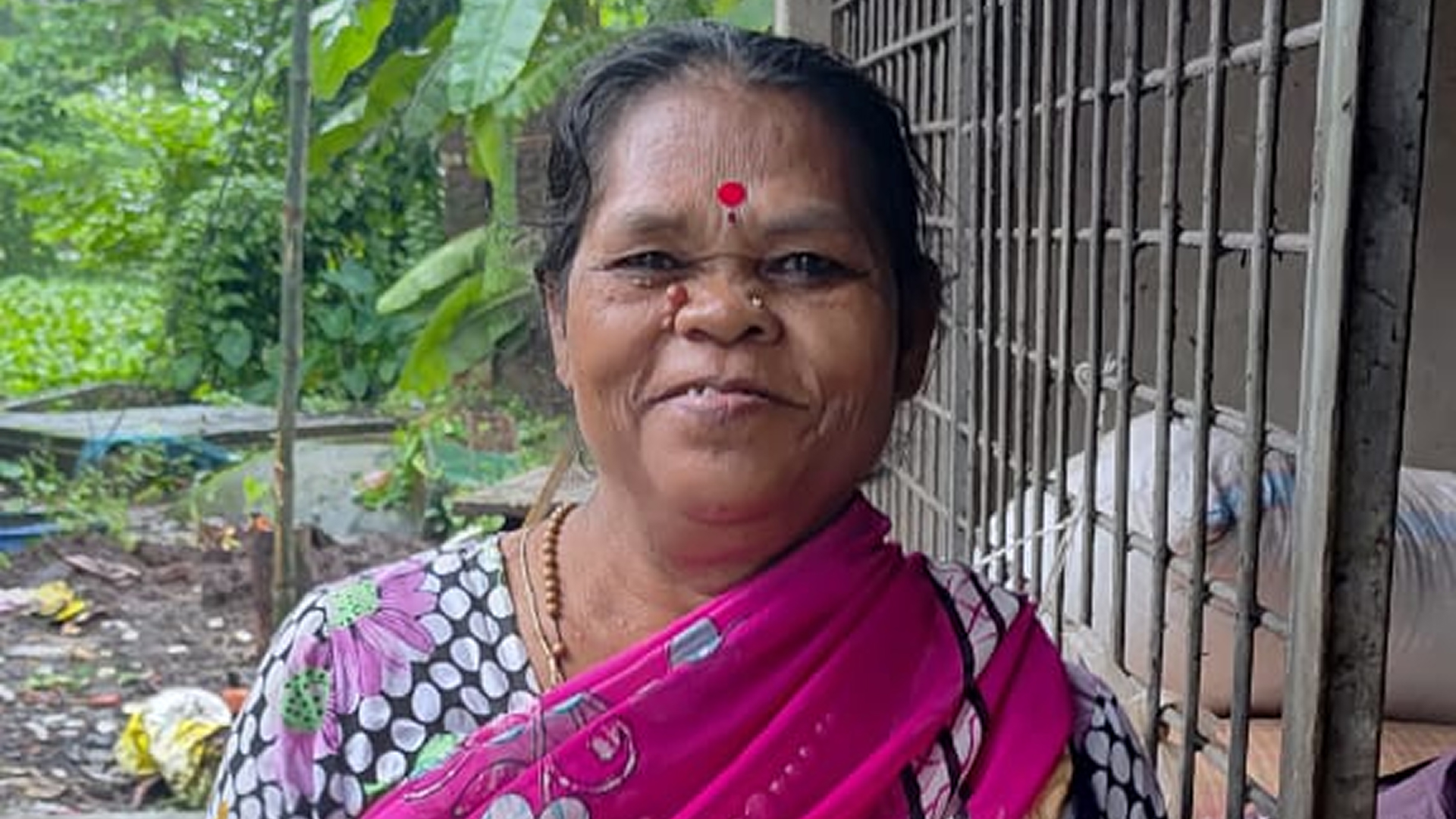

When Swapna first arrived at Ashabari, she was fragile, lost on the streets, confused, and unable to share much about her past. Like many who come through Ashabari’s doors, she carried wounds that were both visible and unseen. Over time, surrounded by care, medication, regular meals, and the gentle patience of the caregivers, she slowly began to heal. For six years, Ashabari became her world: a safe bed, warm food, clean clothes, and people who called her by name with affection. Her smile returned; her memory, little by little, began to surface.
As fragments of her story grew clearer, the caregivers realized she had a family in a remote, impoverished village. With hope renewed, they began the long process of searching for them. When the day finally came, Swapna’s excitement filled the entire home. She carefully packed her belongings, her clothes, her comb, her cherished nail polish, hugged the staff and other resident’s goodbye, and stepped into the ambulance with a radiant smile, eyes sparkling with the promise of going home. During the journey, she leaned forward eagerly, trying to recognize roads and fields, whispering to herself, “Maybe this is my village… maybe I am close.” But when they arrived, reality struck hard.
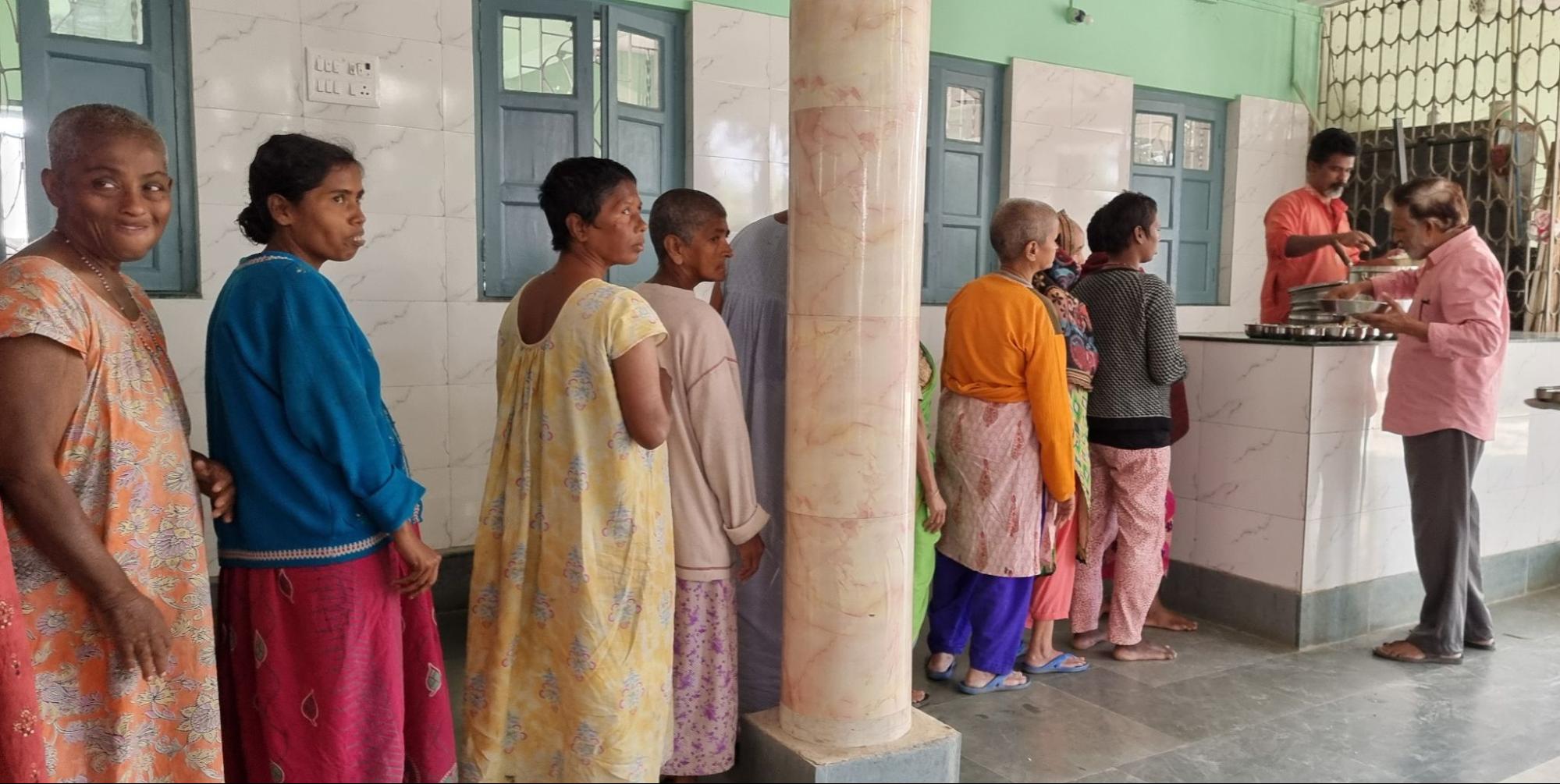
Her brother fell at the caregivers’ feet, explaining with tears that the family, struggling to feed their own children, had no means to care for her. No room, no resources, no stability. Swapna quietly returned to Ashabari, her head lowered, tears falling the whole way back.
Since that day, Ashabari has remained her true and only home. She continues to live surrounded by those who love her, who care for her daily needs, and who ensure she receives dignity, medication, and warmth, things her family wished they could give but could not. Swapna is not alone. She is cherished, protected, and seen.